
Freight Invoice Leakage: A CFO & Controller Playbook
How CFOs and Controllers quantify carrier invoice leakage — duplicates, unauthorized accessorials, and weak pre-pay controls — and what to install first.
2026-08-04 · 8 min read
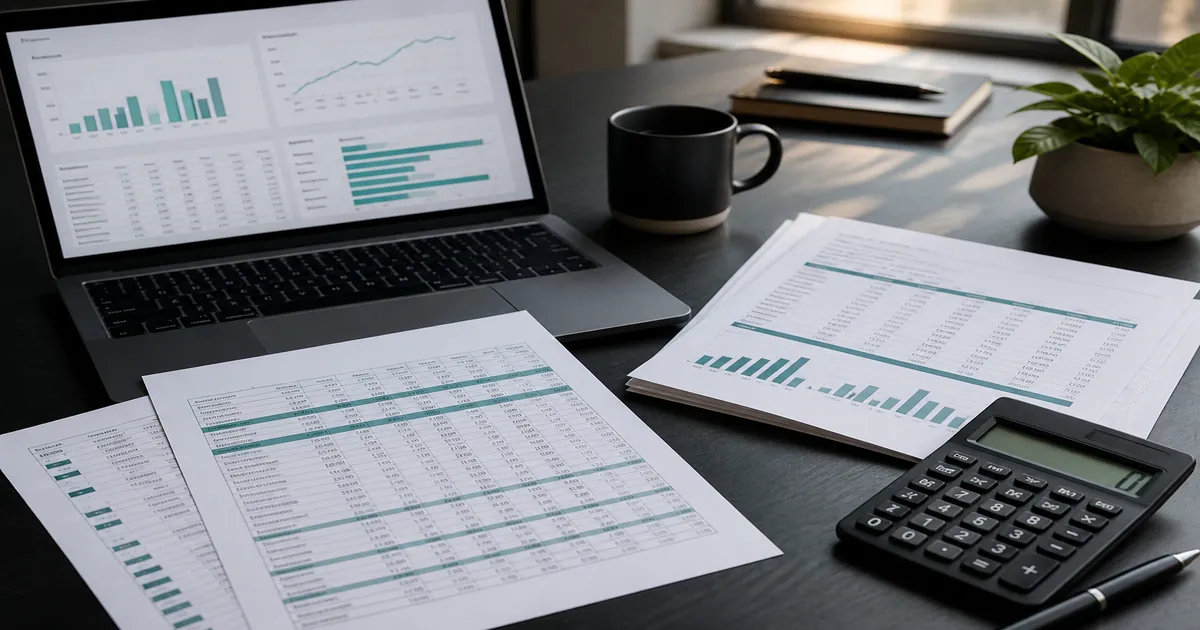
Leakage is quiet until it is not
Freight errors rarely look like a single dramatic fraud event. They look like unauthorized accessorials, recycled PROs, and detention without timestamps — paid because AP had to clear the queue.
Industry commentary commonly cites mid-single to low-double-digit percentages of freight invoices with some error. Controllers should treat that as a control design problem.
Metrics that matter in the first 30 days
Instrument a pilot on a sample of invoices:
- % of packets with rate or accessorial exceptions
- Duplicate holds by invoice # / PRO / file hash
- Minutes per invoice before vs after the gate
- $ held or corrected before remittance (not after recovery)
- % of decisions with complete evidence packets
Controls hierarchy
Start with pre-pay three-doc matching for FTL PDFs. Add duplicate gates. Require evidence for detention and lumper. Keep humans as the payment authority.
Outsourced FAP may fit shipper-scale parents later. Broker desks usually need a self-serve validation wedge first.
How Jorora supports the narrative
Every decision carries document provenance and rule outcomes — the story auditors and CFOs want. Request a pilot or start with two free credits on real packets.
Put a control on freight leakage this month
See how exceptions and rejects look in the product on a sample packet, then instrument your desk.